
How do you get beyond the visitor circuit?
Return to places rather than only collecting new ones. A regular class, library visit, sports activity or neighborhood shop gives you chances to listen and learn without treating residents as part of an attraction.
Colombia has regional differences and many individual ways of living. Avoid claims that everyone is relaxed about time, loves dancing or welcomes the same kind of conversation. Ask about the situation in front of you.
Use language as part of the routine
Learn how to greet someone, ask for clarification and explain what you need. If you do not understand a price, appointment or instruction, repeat it back or ask for it in writing. That is more useful than pretending to follow every conversation.
For a regular activity, ask about the level, cost and expectations before joining. Be willing to attend something where the purpose is the activity itself, not simply meeting other newcomers.
Stay curious about the landscape
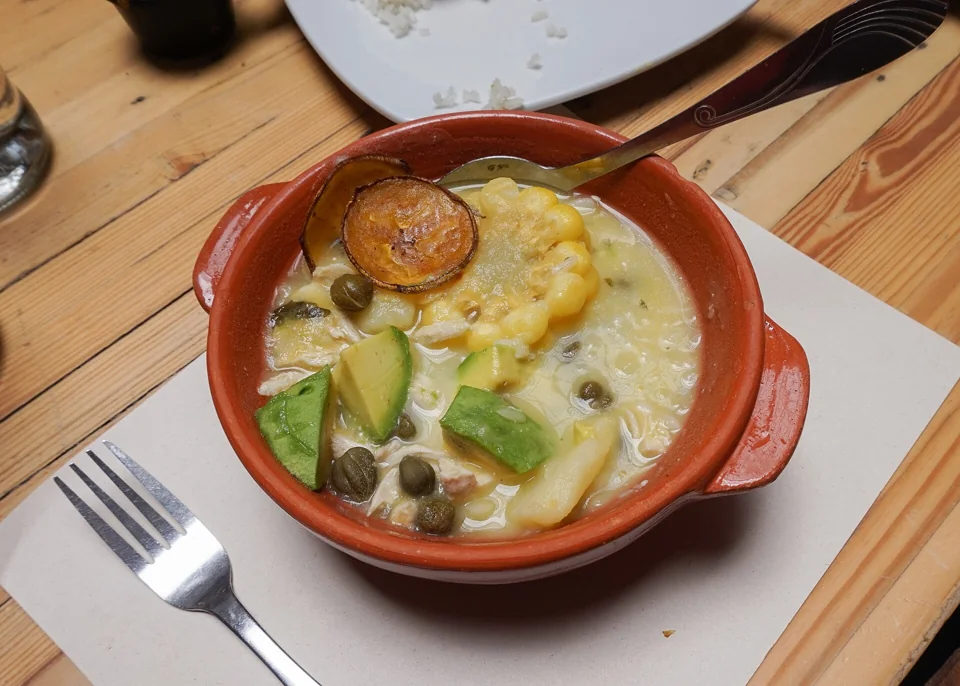
A sourced photograph can add context to a guide, but it cannot prove access, safety or a current opening.

Visit cultural collections with context
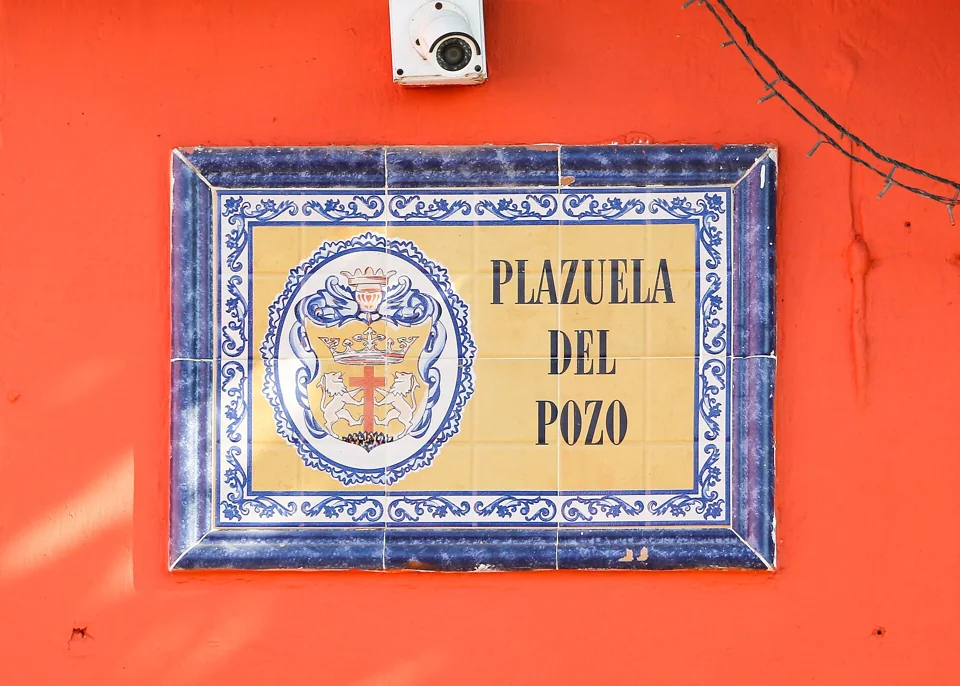
Banco de la República's archaeological collections include the Museo del Oro in Bogotá and regional museums. Use official collection information and current opening details. Look for the names of communities, materials and periods instead of treating pre-Hispanic objects as a single undifferentiated history.
For festivals, performances and classes, verify dates with the organizer. Ask permission before photographing people, respect restrictions in cultural or sacred spaces, and pay agreed fees rather than assuming access is free.
Be a considerate neighbor
- Ask about building rules for noise, guests, waste and shared areas.
- Keep appointments and communicate when plans change.
- Learn the correct names and pronunciation of places you use regularly.
- Listen when a resident explains why a visitor activity creates a problem.
You do not need to claim instant belonging. A respectful, reliable routine is a better starting point than a promise of an “authentic” experience on demand.
Sources and next checks
Reference links for the rules, data and context discussed here. Official sources, market snapshots and community anecdotes are identified by their titles. Recheck time-sensitive requirements before applying, paying or travelling. Planning checklists are editorial suggestions, not official requirements.